
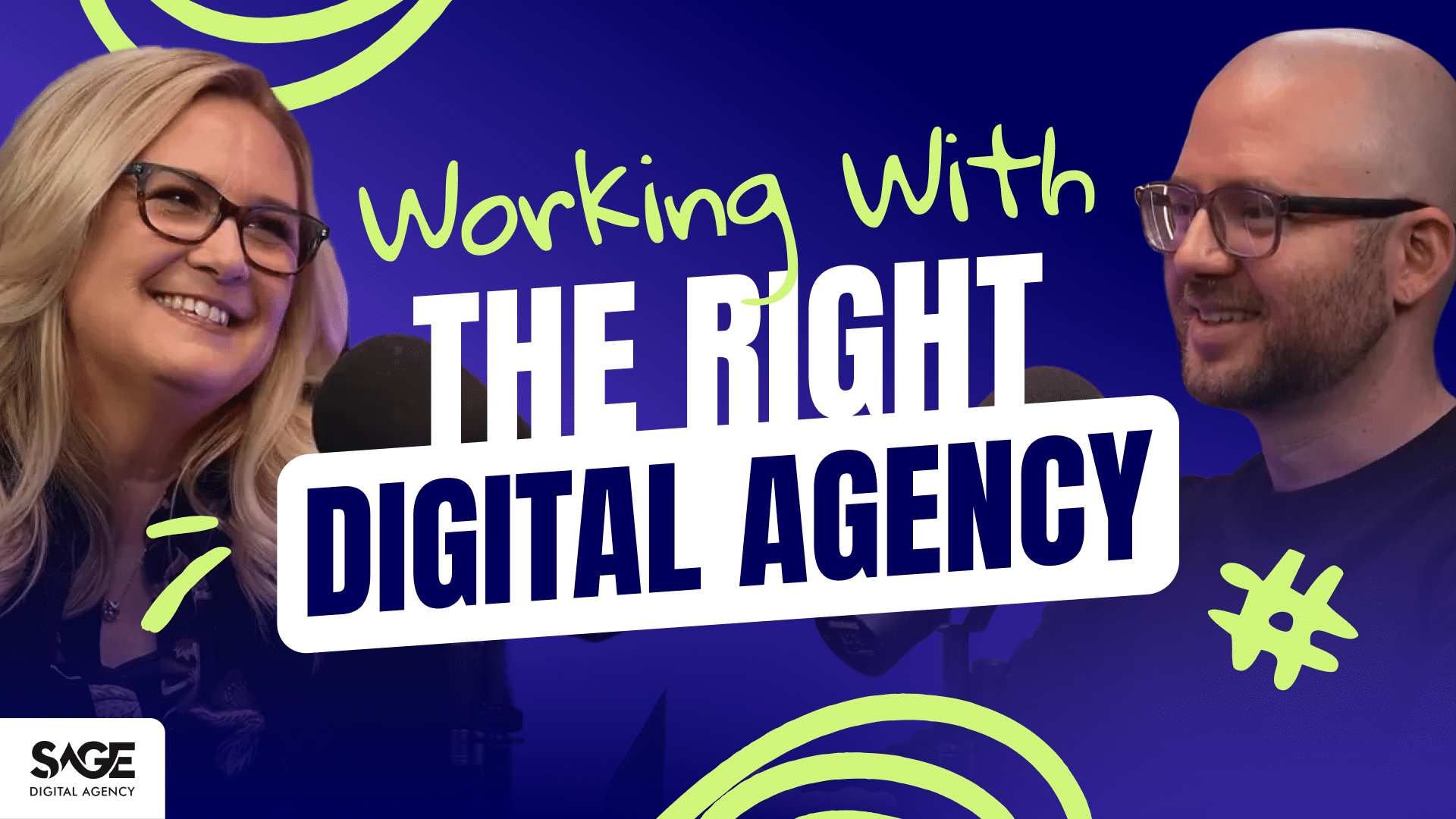
What Working with the Right Digital Agency Actually Looks Like: A Private Jet Brokerage’s Story
Denise Wilson spent two months in weekly two-hour Zoom calls that went nowhere. Beautiful design mockups sat in presentations while her website remained broken. A team member who spent days each month updating market reports was buried in manual formatting work. And she’d paid custom development rates for all of it.
This is what bad agency partnerships look like. But the contrast with what came after tells you everything you need to know about evaluating potential vendors.
The Digital Trauma Most Business Owners Face
Wilson runs Jet Agent, a private jet brokerage that took off faster than expected after launching three years ago. The initial template website worked fine for getting started. But as the business matured and growth accelerated, she needed something that actually represented what the company does.
She got a referral from someone in aviation. The recommender had ulterior motives (they were getting a free website for bringing in new clients), but Wilson didn’t know that yet. The vendor presented gorgeous Figma designs. Everything looked perfect in the mockups.
Then the disaster started.
“Every week for like two months, banging my head against the table,” Wilson says. “We just had a conversation about this and I thought we agreed we were going this direction.”
The problem wasn’t capability. It was internal chaos. Someone went on vacation. Someone else jumped into the project mid-stream without the skills to execute. Rather than communicate honestly about timeline changes, they tried to push forward. The result was weeks of meetings with zero meaningful progress.
The wasted money hurt. The wasted time hurt worse.
“Wasted time is the biggest loss,” Wilson explains. “The biggest thing was the wasted time.”
She’d hired them because they had aviation experience. That felt like an advantage. They understood the industry, spoke the language, had done other aviation websites. But those other sites were one-page business cards. Cookie-cutter designs that all looked the same.
Wilson didn’t want a business card. She needed a platform that builds authority and trust before prospects ever pick up the phone.
What Business Owners Actually Need from Their Website
Jet Agent needed more than pretty pages. The business model depends on educating buyers and sellers of private jets. That means comprehensive buying guides for about two dozen aircraft types. Monthly market reports with updated data. Resources that let prospects do their own research and see the company’s expertise in action.
“We’re all going on the internet to research things,” Wilson says. “The days of having a website where it’s just a business card is what, 10, 15 years old? It’s an old concept.”
The goal was minimizing how much teaching and explaining happens in sales conversations. When prospects arrive already educated, they understand the process. They trust the expertise. The sale becomes easier because the groundwork is already done.
But her previous vendor couldn’t execute. Beautiful designs that never made it past mockups. Weekly meetings that spun in circles. No honest communication when problems surfaced.
She needed to make a change.
How the Right Partnership Actually Starts
Wilson found Michael Stein at Sage Digital through a Google search that led to social media. She watched some video content. Specific things in the reels hit the right points.
But she was skeptical. Of course she was skeptical. The previous experience left scars.
“There was a little bit of that,” Wilson admits. “Are all creatives the same?”
What changed her mind was seeing someone articulate the problems she was facing. The content demonstrated understanding before any sales conversation happened. That’s the same principle she needed for her own business.
When they started working together, they went straight to Figma. No wasted presentation time. No long discovery processes. They pulled content from the existing live site and the half-finished staging site the previous vendor had abandoned. Everything came together in one place.
The process followed a clear structure: homepage first, desktop only. Then interior pages, desktop only. Mobile version last.
Wilson could comment directly in the platform. No waiting a week between meetings. If she had time at 11pm to review and give feedback, she could do it right then. Progress was continuous instead of gated behind milestone meetings.
“I much preferred that process,” Wilson says. “It’s iterative. It’s a collaboration. You don’t have to wait a week and we can be in the same platform.”
The meetings that did happen were shorter and action-focused. Not two-hour status updates. Quick clarity checks on specific decisions.
Then came the moment that established trust.
“The very first design that you gave me, I was like ‘he gets it,'” Wilson recalls. “I gave you some details, but I think I told you the essence of what I wanted the website to feel like. And you came back with a design that represented it very quickly.”
Why Not Having Industry Experience Became an Asset
Michael Stein never specialized in a single industry. He never took the advice to focus on websites for lawyers or doctors or any specific niche. He has clients across every imaginable business.
When you’re starting out, that seems like a disadvantage. Industry-specific vendors speak the language. They understand the nuances. They’ve done sites for companies like yours.
But here’s what actually happens with industry specialists: cookie-cutter results.
“If we had gone to an aviation-specific website company to do this, our site would have looked like everybody else’s in the aviation industry,” Wilson explains. “The way the market reports were done, the aircraft buying guides, all of the other aircraft showroom, everything would have been done just like everybody else does it.”
They didn’t want to look like everybody else.
Stein brought e-commerce experience to aviation. Lead generation tactics from other industries. Fresh perspectives that questioned assumptions instead of following conventions.
“I didn’t speak the language, but I got the point,” Stein says. “I think it’s an asset to my client that I have this varying background.”
The principle matters more than the jargon. Understanding how to communicate with an audience beats knowing industry buzzwords. Getting the essence of what someone wants creates better results than templated expertise.
The Systemization That Changes Everything
One of Wilson’s team members was spending a couple of days every month updating market reports for about two dozen aircraft. Formatting data. Updating multiple pages across the site. Manual, repetitive, time-consuming work.
The reports are a competitive advantage. Jet Agent is known for putting these together. They’re valuable to the audience. But the time cost was brutal.
Stein saw the problem and systemized it.
Now Wilson’s team enters data into a spreadsheet. It automatically populates multiple areas of the site. Aircraft buying guides. Market reports. Aircraft showroom. Single source, automatic distribution.
The time requirement dropped from two days to about one hour monthly.
“We are entering data into a spreadsheet and it magically shows up on the site,” Wilson says. “In a lot of different areas of the site.”
This is what strategic partnership looks like. Not just executing designs. Not just building pages. Looking at business operations and asking “how can we make this more efficient?”
The reduction from 15-20 hours to 1-2 hours monthly adds up fast. That’s time back for actual business development. For client work. For growth activities.
When Paid Traffic Makes Sense (and When It Doesn’t)
Wilson had never run Google Ads before. Not in her previous business. Not at Jet Agent. Organic referrals and industry reputation drove everything.
But Sage built custom landing pages for specific aircraft. Very targeted traffic. Specific messaging per aircraft type. Single call to action focused on form fills.
The results surprised her.
“Every single person that’s reached out to us through that part of the development of the website, through the Google Ads, has been a full-on qualified lead for us,” Wilson says.
That doesn’t always happen. Stein is quick to point that out. Sometimes the math doesn’t work. Cost per click too high. Conversion rates too low. Product prices too small to support acquisition costs.
“If we’re selling this product for $19.95 and it costs us four bucks per click, well, that’s never going to work,” Stein explains. “I don’t care how good we are.”
He often plays the “this is a bad idea” advisor. But in Jet Agent’s case, the unit economics made sense. High-ticket sales can support higher acquisition costs. The qualified lead rate justified the spend.
The key is doing the math before you start. Cost per click. Leads needed to get a customer. Customer lifetime value. Revenue per sale.
When the numbers work, paid traffic becomes a growth engine. When they don’t, honesty about limitations matters more than taking the project anyway.
The Living Website and Ongoing Optimization
The site didn’t stop being a project after launch. It became a living resource that requires continuous attention.
Tom, one of Stein’s colleagues, focuses heavily on conversion rate optimization. He pays attention to minor details that affect customer journey. Friction points that bother prospects. Small changes that might improve results.
They test. They measure. They iterate.
“What I feel like you’ve done for our business is not just the website,” Wilson says. “You’re actually part of the growth of the business in a lot of ways. You’re regularly coming to me with suggestions and ideas about how our business can be more visible.”
That’s the difference between vendor and partner. Vendors execute orders. Partners think strategically about your business. They suggest things you haven’t considered. They pull you gently into new approaches.
“You’ve gently pulled me into some new ways of getting our company out there that I wouldn’t say I was uncomfortable with, but I just never really thought about doing for us,” Wilson explains.
Stein describes his style as “gently pushy” when he has an idea he believes in. That confidence creates trust. When someone is that convinced something will work, it’s easier to try it.
But the conviction comes from taking the client’s business seriously. This is their livelihood. Their significant investment. Their growth trajectory.
“I would never recommend something to you that I myself in your situation would not do,” Stein says.
Red Flags That Signal Wrong Partnerships
Looking back at the disaster with her previous vendor, Wilson can now articulate what went wrong. The warning signs matter for anyone evaluating agencies.
Designs they can’t execute. Beautiful Figma presentations mean nothing if the team lacks the skill to build them. If mockups look great but delivery stalls, internal capability problems exist.
Long meetings with no progress. Two-hour weekly Zoom calls that end with agreements about direction mean nothing when the following week shows zero implementation. Meetings should drive action, not replace it.
Poor communication about problems. When someone goes on vacation and an unqualified person jumps into the project, honest communication about timeline changes matters more than trying to push forward anyway.
Internal chaos that becomes your problem. You shouldn’t be managing your vendor’s team dynamics. That’s their job. When their organizational issues become your headache, something is broken.
Industry specialization leading to cookie-cutter results. Just because they’ve done work in your space doesn’t mean they’ll innovate for you. Sometimes that experience creates templates instead of custom solutions.
Only showing homepage-quality work. If their portfolio only displays homepage designs, check what their interior pages look like. The “Microsoft Word syndrome” of black text on white backgrounds is common when teams design one page well and phone in the rest.
Set-and-forget mentality after launch. If they want to hand off the keys and walk away, you’re losing strategic partnership potential. Ongoing optimization and improvement should be expected, not extra.
What to Look for in the Right Partner
The contrast between Wilson’s two experiences reveals what actually matters when choosing an agency.
Clear, documented process. You should understand exactly how things will work before you start. Figma workflows. Review cycles. Communication channels. Timeline expectations.
Collaborative tools for async work. Being able to review and comment on your own schedule beats mandatory meeting times. Platforms that allow continuous feedback create better results.
Speed to understanding your vision. If the first design captures what you want, they get it. If it takes three or four rounds to get close, communication problems exist.
Strategic thinking about your business. Partners who identify efficiency opportunities, suggest growth tactics, and think beyond just building pages add value that compounds over time.
Honest about what won’t work. Saying no to bad ideas matters as much as saying yes to good ones. If they’ll take any project regardless of math, they’re not protecting your interests.
Deliverable-focused approach. You should get clear timelines. Then they should meet them. “Just tell me when” creates trust more than perfect estimates. Doing what you say when you say it builds confidence.
Portfolio across varied industries. Diverse experience brings fresh perspectives. Industry expertise can create innovation fatigue. Sometimes not knowing the “standard way” leads to better solutions.
When Comfort Isn’t Satisfaction
Some business owners stay with vendors not because they’re happy, but because change feels risky. What if the next agency is worse? What if it doesn’t work out?
“You don’t know what you don’t know,” Wilson points out. “If you’ve been with someone for a very long time, you don’t know what other services are out there.”
But staying comfortable costs more than risking change. Missed efficiency gains. Missed strategic opportunities. Missed growth from optimization you’re not getting.
If you’re just maintaining instead of growing, you’re probably missing something. If you’re paying for updates but not getting innovation, you’re in a vendor relationship when you need a partnership.
The six months since Wilson switched to Sage Digital feel much longer because of the density of work and results. The efficiency gains. The qualified leads. The ongoing strategic suggestions.
“I can’t believe it’s only been six months,” she says.
That’s what the right partnership feels like. Progress that compounds. Results that accelerate. Strategic thinking that drives growth.
Frequently Asked Questions
How do I know if my current agency is good enough or if I should look for something better?
Ask yourself if they’re bringing you strategic ideas regularly or just executing orders. If your site is set-and-forget after launch with no ongoing optimization, you’re missing value. Good partners actively suggest improvements, identify efficiency opportunities, and think about your business growth. If you haven’t heard new ideas from them in six months, that’s a signal.
What’s the biggest red flag when evaluating a new digital agency?
Beautiful designs they can’t actually execute. If mockups look perfect but they can’t explain their implementation process or show you complete interior pages in their portfolio, be skeptical. The gap between presentation and delivery often reveals internal capability problems that become your headache.
Should I prioritize agencies with experience in my specific industry?
Not necessarily. Industry-specific agencies often produce cookie-cutter results because they follow established patterns. An agency with diverse experience across multiple industries can bring fresh tactics and perspectives. What matters more is whether they understand your audience and can articulate your vision quickly, not whether they speak your industry jargon.
How long should it take for an agency to capture my vision in initial designs?
If they get it right on the first or second attempt, that’s a great sign. If it takes three, four, five rounds to get close to what you want, communication problems exist. Speed to understanding your vision is one of the best early indicators of whether the partnership will work smoothly.
What’s a reasonable meeting cadence when working with an agency?
You shouldn’t need two-hour weekly status meetings. Shorter, action-focused check-ins when decisions need clarity work better. The best model is collaborative platforms where you can review and comment asynchronously on your own schedule, with meetings reserved for discussing specific decisions or direction changes.
How do I evaluate if paid advertising will work for my business?
Start with math. Look at your average sale value, cost per click for relevant keywords, typical conversion rates in your space, and how many leads you need to close one customer. If a $19.95 product costs $4 per click to advertise, the economics never work. But high-ticket sales with longer decision cycles can often support higher acquisition costs. Your agency should be honest about when the numbers don’t make sense.
What does ongoing optimization actually look like after a site launches?
It means testing changes, measuring results, and iterating continuously. Your agency should be identifying friction points in the customer journey, suggesting improvements based on data, and implementing changes to improve conversion rates. The site should be treated as a living resource that evolves based on performance, not a finished project that sits static.
How much time should I expect to save with proper systemization?
Significant time, if your processes are manual and repetitive. In Jet Agent’s case, market reports that took 2 days monthly dropped to 1 hour through spreadsheet automation. Look for places where team members spend hours on formatting or manual updates that could be automated through smart systems.
What questions should I ask an agency before hiring them?
Ask about their process, not just their portfolio. How do they handle reviews and feedback? What tools do they use for collaboration? How do they approach ongoing optimization after launch? Can they walk you through their last three client projects and what strategic value they added beyond design? How do they decide when to say no to a client’s idea?
How do I know if I’m experiencing “digital trauma” that’s affecting my decision-making?
If your previous vendor experience left you skeptical of all agencies, taking longer to make decisions, or anxious about change despite current problems, you’ve experienced digital trauma. It shows up as staying in bad situations because change feels riskier than the known problems. The antidote is finding an agency that demonstrates understanding through content before you ever talk to them, then starting with a clear process that builds trust incrementally.
Key Takeaways
The right agency partnership looks completely different from the wrong one. Here’s what matters:
- Collaborative tools beat meeting frequency. Async feedback in shared platforms creates better results than weekly status calls.
- First design reveals understanding. If they capture your vision quickly, communication will work. If it takes many rounds, problems exist.
- Industry expertise can create cookie-cutter results. Diverse experience across industries often brings more innovation than specialization.
- Systemization protects competitive advantages. Look for agencies that identify efficiency opportunities in your operations, not just build pages.
- Strategic partnership beats vendor relationships. Regular suggestions about growth and visibility matter more than order-taking execution.
- Honest “no” is more valuable than yes to everything. Agencies should tell you when ideas won’t work mathematically or strategically.
- Deliverable focus builds trust. Clear timelines met consistently matter more than perfect estimates.
- Ongoing optimization should be expected. Sites are living resources that require continuous improvement, not finished projects.
The six-month relationship between Jet Agent and Sage Digital produced efficiency gains that save 15-20 hours monthly, qualified leads from paid traffic that had never worked before, and strategic growth suggestions that pushed the business into new visibility channels. That’s what partnership looks like when it works.
Digital trauma from previous bad experiences is real. But staying comfortable costs more than risking change. The question isn’t whether your current vendor is terrible. It’s whether you’re getting the strategic partnership your business actually needs.