






In this video we delve into the crucial strategies for successful web redesigns. This guide provides insights into leveraging Figma for efficient design processes and emphasizes the importance of custom redesigns over templates. Here’s a summary of the key points discussed:
Setting Clear Goals
A clear direction is essential for any web redesign project. Without defined goals, any design path might seem suitable, but it could lead to unsatisfactory results. By identifying the desired look and feel through examples of sites the client loves, designers can create a tailored design that aligns with the client’s vision.
The Role of Figma in Design
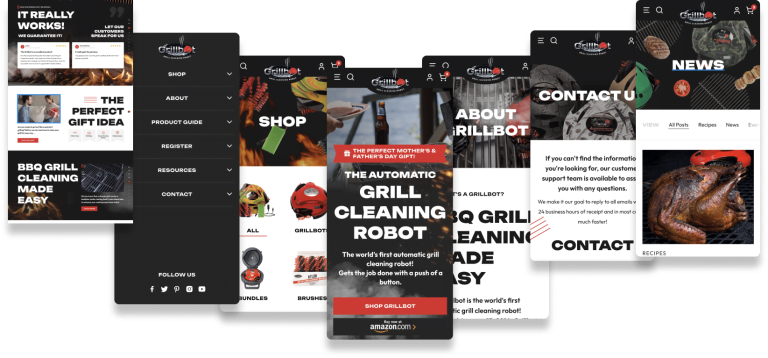
Figma is highlighted as an indispensable tool for custom web design. Alex describes their process of extracting content from the client’s existing site and restyling it in Figma based on the design inspirations provided. This allows for quick mockup presentations, often within the first week, ensuring clients see progress promptly.
Client Expectations and Timelines
Quick delivery of initial mockups builds client confidence. Prolonged design timelines often lead to dissatisfaction. Alex criticizes lengthy project durations, stressing the importance of efficient workflows and setting realistic yet swift timelines.
Iterative Design Process
We advocate for an iterative design approach in Figma, allowing for continuous improvements based on client feedback. This method ensures that the final design meets the client’s expectations and requirements. The flexibility of Figma supports extensive customization, ensuring that every aspect of the design can be perfected before development.
Ecommerce Considerations
For ecommerce sites, maintaining functionality during redesigns is critical. Redesigns should not disrupt existing traffic and sales. Alex emphasizes the importance of preserving the site’s structure and links to avoid significant SEO impacts.
Phased Redesign Approach
Adopting a phased approach to redesigns is sometimes recommended. Start with essential elements like the homepage, header, and footer. Gradually roll out redesigns to other parts of the site, monitoring traffic and performance to ensure there are no adverse effects.
Mobile-First Design
With a significant portion of traffic coming from mobile devices, prioritizing mobile design is crucial. Designing for mobile first and then adapting for desktop to ensure a seamless user experience across all devices is very important.
Collaboration and Flexibility
Effective collaboration with clients is key. We encourage a flexible approach to revisions and changes, focusing on achieving the best possible outcome rather than adhering to rigid revision limits.
Specialization and Portfolio Review
Choosing the right web design partner is essential. We advise clients to look for specialists with a defined process and a strong web design portfolio. A web designer’s own website should be a testament to their skills and quality of work.
Conclusion
Mastering custom web redesigns requires clear goals, efficient use of design tools like Figma, and a collaborative, iterative approach. By focusing on these best practices, businesses can achieve unique, high-performing websites that drive success.